This week’s cute doggie breed is the Chow Chow. Chow Chow’s are best known as an active dog breed.
PHOTO: Cute dog of the week Chow Chow
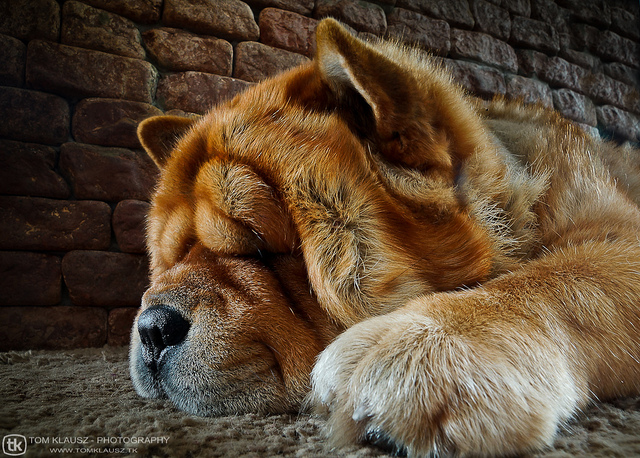

This week’s cute doggie breed is the Chow Chow. Chow Chow’s are best known as an active dog breed.
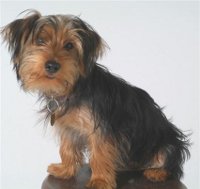
Is your dog’s shedding a problem? Want to reduce the dog hair on your sofa and car seats? There may be a bit of hope, as there are quite a few non shedding dogs.
While the idea of non shedding dogs is appealing, most non shedding dog breeds are just breeds that tend to shed less than others. Many of these breeds have less of a undercoat, shorter fur, or fur that’s less bulky and dense.
That said, some Terrier breeds, Schnauzers, and Poodles shed less than other breeds.
Choosing the right dog breed is pretty difficult. There are hundreds, maybe thousands of breeds. So, how do you even begin choosing dog breeds?
You probably have a general idea of the breeds that might work. Once you’ve got a good idea of the breeds you’re interested in, talk to several owners of the breeds you’d like to buy. This will help you greatly when choosing the right breed of dog.
Breeds vary enormously in personality, and it’s crucial to consider if a breed’s personality matches you and your family’s needs. Different breeds were developed for different functions, and this can greatly influence their behaviors, so choosing dog breeds is a pretty difficult task.
How small is a small dog? Small dogs weigh about 12 to 30 pounds. Small dog types are a terrific choice for someone in a smaller house or apartment, or who would have trouble physically caring for a larger dog. Small dog types may shed less and give off less allergens than larger dogs (simply because they have less hair and a smaller body).
Small dog breeds tend to live, on average, about 14 years. Some small dog types live much longer, and some Terrier breeds can easily live to be 20 years old.
Small dog types tend to have some health issues, but these are usually related to specific breed characteristics, rather than their smaller size. Dachshunds, for example, tend to have spinal problems that result from breeding for their long bodies, and Pugs often have breathing problems that come from breeding for their unusually short noses.
Thinking about a long-haired dog? There’s a lot of grooming. But, surprisingly, some short haired dog breeds can shed a lot as well!
For the most part, getting a long haired or short haired dog is simply a matter of personal experience. Some people just love the look of luxurious long fur on a dog, and other people see it only as a bother.
Long-haired dogs usually require more grooming time to keep their fur free from mats and looking good. So, if you get a long-haired dog breed, you may end up spending more time at the groomers, or brushing your long-haired dogs fur yourself. Just be aware that short-haired dog breeds don’t necessarily shed less than long-haired dogs.
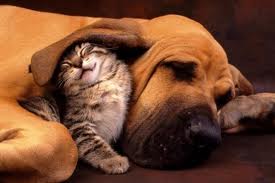
The best dogs for children? Simple. Breeds that are not aggressive.
While dogs and children seem to go hand in hand, there are actually quite a few things to consider when getting a dog if you have little kids in the house. Not every dog is well suited to life with children, and not all children are suited to life with a dog.
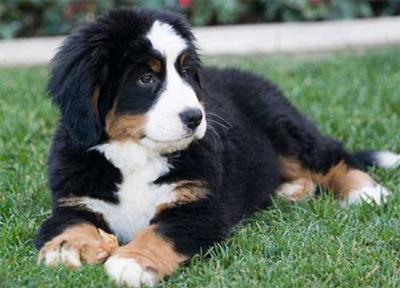
I have to confess: I love giant dogs. There’s something so comforting about a big, goofy, gentle giant dog. And I’m talking huge: Giant dog breeds include dogs that weigh over 90 pounds, or more than 27 inches at the shoulder. If you want a giant dog breed, you’ll need plenty of room for the dog both inside and outside your home.
A giant dog crate, while expensive, my be especially helpful in keeping a 100-pound dog off your furniture while you’re away from home.
Giant breed dogs generally have a shorter life expectancy than smaller dogs. You can expect a giant dog to live approximately seven to ten years, depending on the breed of giant dog. However, many giant dog breeds only live seven or eight years.
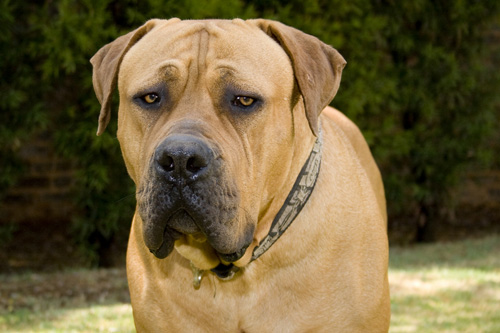
Large Dog Breeds Large and giant dogs are among my favorites. Large dog breeds weigh approximately 60 to 90 pounds. You’ll need plenty of room for a large dog, both inside your house, and in your back yard. Many large dog breeds are prone to hip and elbow dysplasia, and osteoarthritis. Large dog breeds also don’t live as long as many smaller breeds, with an approximate life expectancy of around 12 years. Choosing a large dog breed can mean saying goodbye sooner than if you choose smaller or medium size dog breeds.
Their large size often makes large dog breeds susceptible to hip dysplasia and related conditions, like giant dogs. They can also be susceptible to heart conditions.
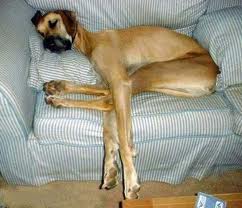
Whether you want an active dog, a doggie couch potato, or a dog that fits somewhere in between really depends on you.
Are you the type of person or family that spends a lot of time walking and hiking? If so, an active dog might be a great choice, rather than a dog couch potato. Popular breeds like Border Collies, Dalmatians, Jack Russells, and many Retrievers are well known to be high energy.
Depending on the breed dog training can be easier or harder. That said, lists of breeds that are easy to train, and hard to train are just generalizations, although they can be a helpful guide.
Above all, dogs, like people, are individuals. You may find stubborn individual dogs in a breed that is supposedly includes easy to train dogs, and wonderful, easy to train dogs in a breed that is supposedly difficult to train. Training dog breeds is not an exact science, and easy to train dogs come from every breed.
For the most part, the list below describes a dog as easy to train based on the ability to learn basic obedience training with a minimum or stubbornness or aggressiveness. However, for all breeds, dog training can sometimes be a challenge – even breeds that are supposedly contain easy to train dogs. For every breed dog training can have challenges.